Elemental uptake in above-ground plant material of perennial ley after high application of seaweed materials2026-03-23
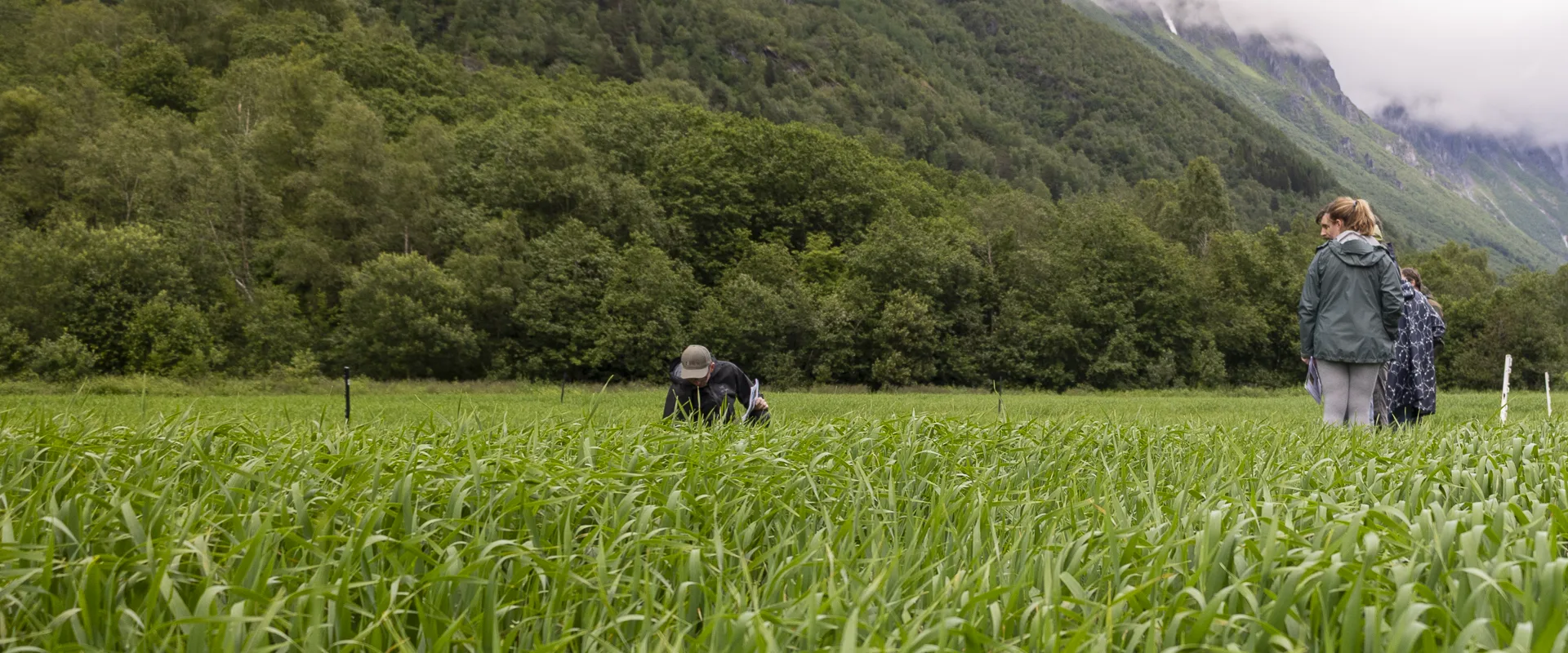
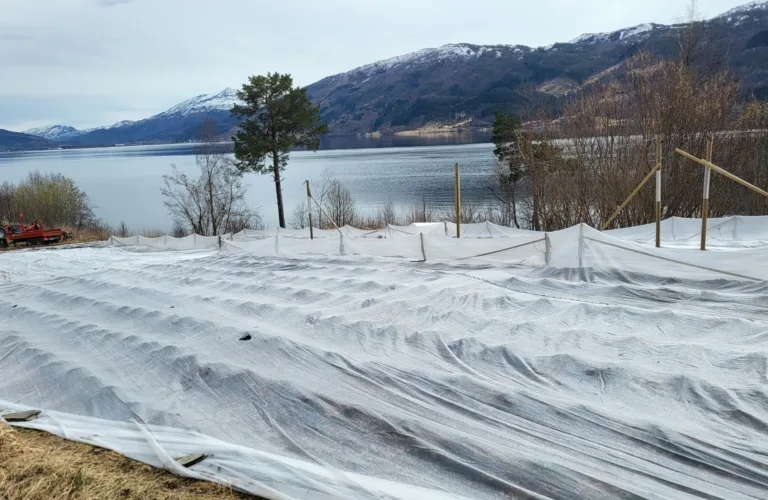
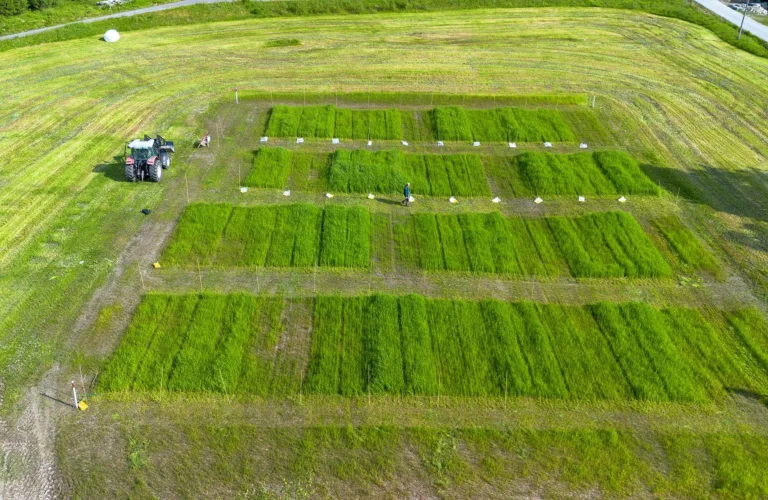
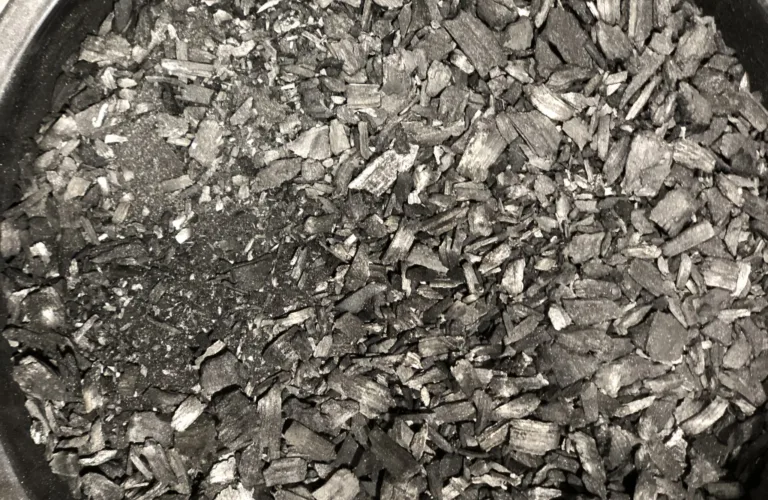
High rates of seven seaweed materials, corresponding to 1.6–4 kg DM m−2, were applied to a second-year grass-clover ley in spring to study the plant growth response, and potential relationships between applied elements and the uptake of elements in above-ground plant material (APM). The rates were close to the maximum permitted over 10 years by Norwegian regulation due to the concentration of cadmium (Cd) in the seaweed products. With one fermented material (liquid, acidic), only perennial weeds survived. With solid amendments, the plants grew vigorously. The plant growth was measured over two seasons. The rate of potassium (K) applied varied from 45 to 256 g m−2 and hence was well above recommended values; e.g., of 7 g m−2 in spring for grazing of ewes. The balance between monovalent K and divalent calcium (Ca) and magnesium (Mg) in APM exceeded critical levels for ruminant animals, especially in the 1st growing season. No relationship was found between the applied rates and the uptake of Cd in APM. For arsenic (As), the uptake in APM increased with higher rates of applied As, and the As concentrations in APM as well as the uptake of As were related to the applied rates of As. The total uptake over two growing seasons was also closely related with the applied rate (R2 = 0.72) and ranged from 0.1–0.3% of the applied As. Hence, high rates of seaweed application may not hamper plant growth, but rates should be restricted to avoid risk of tetany disease in farm animals, and plant uptake of As.
‘It Would Have Been Odd to Separate the Animals and Then Look the Cow in the Eyes’. A Qualitative Study of Norwegian Dairy Farmers2026-03-20
Farmers’ rearing practices in livestock production and their decision to adopt alternative practices are of ongoing interest in rural sociology. For social scientists examining alternative agriculture, enduring questions remain about not only how alternatives can emerge but also how mainstream systems often remain relatively unperturbed by the emergence of alternative practices. This article explores these questions through an examination of cow–calf contact (CCC) in Norway. In the industrial dairy sector in the Global North, the removal of dairy calves shortly after calving has become an emerging concern within veterinarian medicine and ethology. In this study, we explored why dairy farmers decide to change rearing practices to CCC systems where calves have contact with the dam for more than 14 days in dairy production, an alternative practice which misaligns with wider practices in the industrial dairy sector. The paper reports the results of qualitative interviews with Norwegian farmers who use these alternative practices and, using Convention Theory (CT), addresses the on-farm and off-farm dynamics that shape both the emergence as well as the current marginalisation of this new alternative practice of calf and cow rearing in dairy farming. The results of the study reveal multiple dynamics shaping the adoption of CCC. The results reveal the way that farmers have the ability to draw on multiple justifications which enable CCC adoption despite significant structural misalignment with Norway’s industrial dairy sector. The conclusions support the arguments of social scientists engaging with animal welfare about the importance of societal dynamics both outside and within agricultural systems. How these social dynamics connect with on-farm contexts is highly influential in shaping animal rearing practices and associated farmer justifications. The use of CT demonstrates clearly that creating better animal welfare practices, in this case through the adoption of CCC, is not simply a matter of education, policy or technical interventions. It requires wider alignments between worlds of production, often in hybrid forms, or else the solid industrial centre of these kinds of farming world simply endures relatively untroubled and unchallenged.